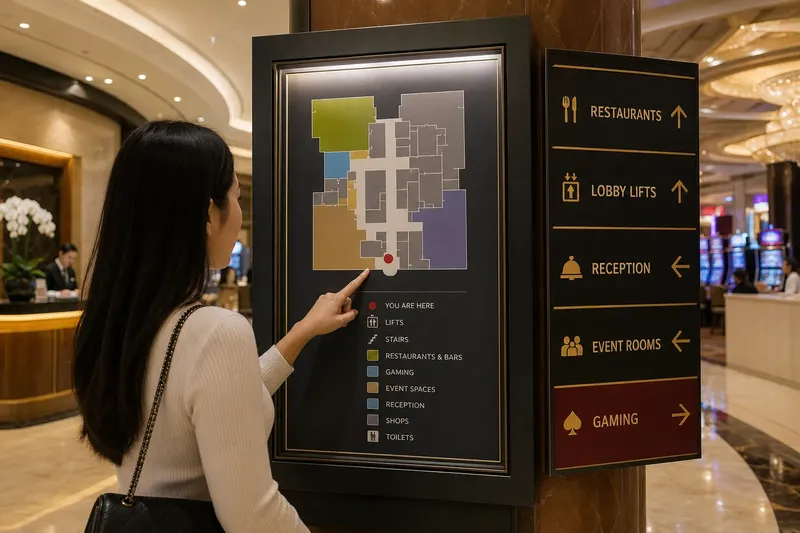
The Word Resort Is Not a Floor Plan
Ho Chi Minh City resort casino listings can blur hotels and gaming venues; learn what the wording claims, what it leaves open and what to verify.
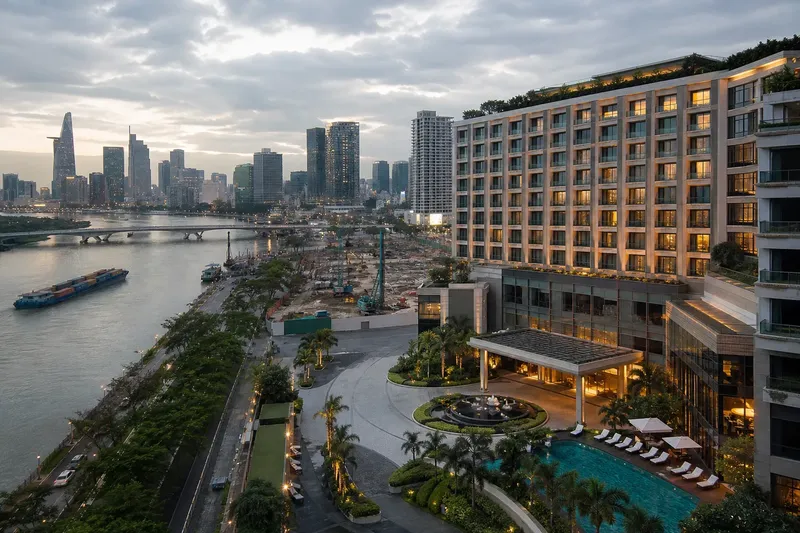
You search for a Ho Chi Minh City resort casino and find a listing that calls a property a “resort”, names a hotel and mentions gaming. Those three details do different jobs: the first frames the property, the second identifies accommodation, and the third makes a claim about entertainment.
Three kinds of wording
A resort label is a broad description of a property or development. It may be used in branding without explaining the layout, ownership or businesses inside it.
A hotel name identifies accommodation, not necessarily every business sharing the address. A gaming reference signals that the listing associates the property with gaming, but its wording may not identify a particular room, operator or activity.
Keep each phrase attached to its subject: property, hotel or gaming venue.
Claims and implications
Venue language can state one thing while suggesting another. “Gaming at the resort” states an association with the wider property; it does not, by itself, say that the hotel operates the gaming venue or that the venue uses the hotel entrance.
Likewise, a photograph of a hotel beside a gaming reference is not a description of the room or activity. To understand what the listing actually claims, look for a named facility, an operator and wording that describes the facility itself.
Read the sentence’s subject before drawing a conclusion.
Words that change meaning
Small wording differences carry useful clues. “Planned” and “coming soon” describe an intention rather than an operating attraction. “Located within” places a facility in a development but does not explain whether it has a separate entrance or operator. “Operated by” identifies a relationship only when the listing names the parties.
These phrases do not settle legal eligibility or entry conditions. For questions about local rules, consult an appropriate local authority or qualified professional.
Questions about labels?
Does “resort” confirm gaming?
No. It describes how a property is presented, not the activities available there. A separate gaming claim needs its own wording and context.
Does a hotel name identify the gaming operator?
Not unless the listing explicitly connects the hotel business to the gaming facility. Shared branding or an address alone does not establish who operates each part.
What does “on site” tell me?
It indicates an association with the property, but may not explain the facility’s exact position or access arrangements. Look for a location description tied to the named venue.
How should I read “planned”?
Read it as a statement about intention, not confirmation that visitors can use the facility. A current operator description would be needed to establish what is presented as available.
A listing in context
Imagine an invented listing for “Saigon Riverside Resort”. Its headline calls the development a resort, its accommodation section names “Riverside Hotel”, and a separate sentence says, “Gaming planned for the riverside complex.” The starting information is those three phrases, with no operator or activity named.
First, record “resort” as the property label and “Riverside Hotel” as the accommodation name. Next, mark the gaming sentence as a future plan, not a description of an open venue. The resulting reading is that the page presents a resort development, identifies a hotel and mentions intended gaming; it does not identify an operating facility or its operator. If a later page names a facility and describes its current role, assess that claim separately rather than folding it into the hotel description.
Reading listings carefully
When comparing a Ho Chi Minh City resort casino listing with another venue page, sort each phrase by what it names: the development, the hotel, the gaming activity or the operator. That keeps the property’s brand from standing in for a more specific statement.
A resort label can be useful for understanding how a place is marketed. The practical point is to let each claim do only the work its wording supports: a name identifies, a gaming reference signals an association, and a facility description supplies the detail.